 VisitaSV
Diving and Snorkeling in El Salvador: Complete Guide
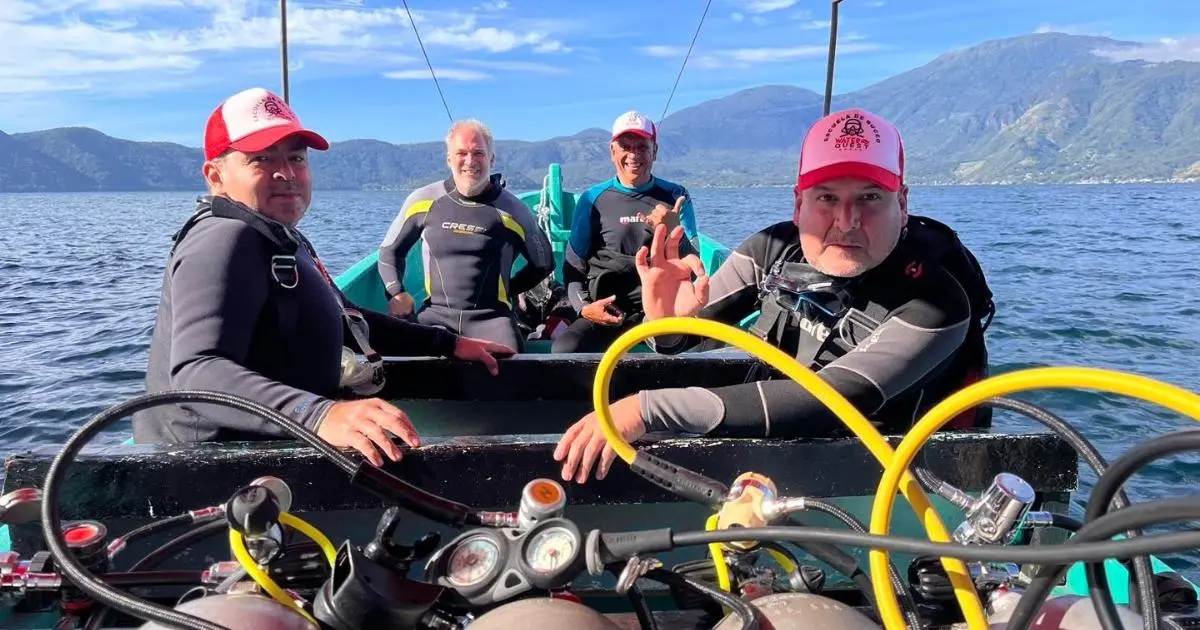
Fuente: Water Quest El Salvador-Escuela de Buceo
Diving and Snorkeling in El Salvador: Complete Guide 2026
El Salvador isn't the first destination that comes to mind when you think about diving in Central America. Belize has the Great Blue Hole, Honduras has Roatan, and Costa Rica offers shark encounters at Cocos Island. But El Salvador has something different: the only rocky coral reef on the Central American Pacific coast, underwater thermal vents, and the unique experience of diving in a volcanic crater lake. If you're planning your trip, check out our complete guide to traveling to El Salvador in 2026.
If you're looking for an authentic diving experience without the crowds of more commercial destinations, El Salvador deserves a spot on your list.
Why Dive in El Salvador
What Makes This Destination Unique
El Salvador offers diving conditions you won't find anywhere else in the region:
Los Cobanos Reef: Over 60,000 years old, this rocky coral reef is the largest on the Central American Pacific coast. Don't expect the vibrant colors of the Caribbean, but you will find a unique volcanic rock structure colonized by hard and soft corals.
Volcanic Lake Diving: Lake Coatepeque offers the rare opportunity to dive in freshwater within an extinct volcanic crater, with exceptional visibility and unique geological formations.
Underwater Thermal Vents: At some points in Los Cobanos, warm water currents from the volcanic subsurface create unique microecosystems.
Realistic Expectations
Let's be honest: El Salvador doesn't compete with Belize or the Bay Islands in terms of coral diversity or consistent visibility. What it does offer is:
- Fewer tourists and more personalized experiences
- Significantly lower prices
- The opportunity to explore a little-documented marine ecosystem
- A unique combination of ocean and freshwater diving
- Occasional encounters with pelagic species during migration
Best Diving Spots
Los Cobanos: The Epicenter of Salvadoran Diving
Located in the Sonsonate department, about 85 kilometers from San Salvador, Los Cobanos is the country's main diving destination. In 2007, it was declared a Natural Protected Area, which has allowed the gradual recovery of its marine ecosystems.
Dive Sites at Los Cobanos
La Puntilla
- Depth: 8-15 meters (26-50 feet)
- Level: Beginner to intermediate
- Highlights: Rocky coral formations, abundant reef fish
- Ideal for: First dives, underwater photography
El Faro (The Lighthouse)
- Depth: 12-22 meters (40-72 feet)
- Level: Intermediate
- Highlights: Higher probability of seeing rays and turtles
- Currents: Moderate, depending on tide
Los Arcos (The Arches)
- Depth: 15-25 meters (50-82 feet)
- Level: Intermediate to advanced
- Highlights: Volcanic rock structures with tunnels and cavities
- Note: Currents can be strong; experience required
Punta Remedios
- Depth: 10-18 meters (33-60 feet)
- Level: All levels
- Highlights: Excellent for snorkeling in shallow areas
- Marine life: Schools of surgeonfish and butterflyfish
El Sunzal Marino (technical diving)
- Depth: 25-40 meters (82-130 feet)
- Level: Advanced with Deep Diver certification
- Highlights: Possibility of pelagic encounters
- Requires: Special planning and optimal conditions
Lake Coatepeque: Freshwater Diving
Lake Coatepeque, located in the crater of an extinct volcano at 745 meters (2,444 feet) above sea level, offers a completely different diving experience.
Characteristics of Coatepeque Diving
Conditions:
- Maximum depth: Approximately 120 meters (394 feet), recreational diving limited to 40m
- Visibility: 10-25 meters (33-82 feet), better than many coastal sites
- Temperature: 24-27°C (75-81°F) year-round
- Altitude: Requires altitude diving planning
Points of Interest:
- Submerged volcanic walls with unique geological formations
- Remains of ancient structures (rumors of pre-Columbian ruins never confirmed)
- Endemic aquatic flora
- Freshwater fish including guapotes and tilapia
Special Considerations: Altitude diving requires adjustments to decompression tables. All certified operators are familiar with these protocols, but it's important to mention if you've been diving at sea level.
Other Emerging Spots
Playa El Zonte Although primarily known for surfing, El Zonte has some interesting points for snorkeling and discovery diving. The rocky formations near the coast harbor marine life, though visibility is less predictable than at Los Cobanos. If you're interested in surfing, don't miss our guide to El Tunco, the country's most famous surf destination.
Costa del Sol More oriented toward snorkeling than diving, the estuaries of Costa del Sol offer encounters with juvenile fish, crabs, and seabirds in a mangrove ecosystem. It's an excellent option for families looking for calmer beaches.
Marine Life: What to Expect Underwater
Common Species at Los Cobanos
Reef Fish:
- King angelfish (Holacanthus passer)
- Threebanded butterflyfish (Chaetodon humeralis)
- Yellow surgeonfish (Prionurus laticlavius)
- Mullet snapper (Lutjanus aratus)
- Various moray eels
- Pufferfish
- Parrotfish
Invertebrates:
- Sea urchins (abundant)
- Starfish
- Octopus (if you're lucky and observant)
- Spiny lobsters
- Sea cucumbers
Special Encounters (seasonal or with luck):
- Hawksbill and olive ridley sea turtles (July-November is nesting season)
- Eagle rays and manta rays (more common October to February)
- Whale sharks (rare but documented sightings, mainly October-November)
- Bottlenose dolphins (in deeper waters)
- Humpback whales in migration (December-March, from surface or snorkel)
In Lake Coatepeque
Aquatic life is less diverse but equally interesting:
- Tiger guapote (Parachromis managuensis) - the king of the lake
- Tilapia
- Freshwater crabs
- Freshwater shrimp in rocky areas
Certified Dive Operators
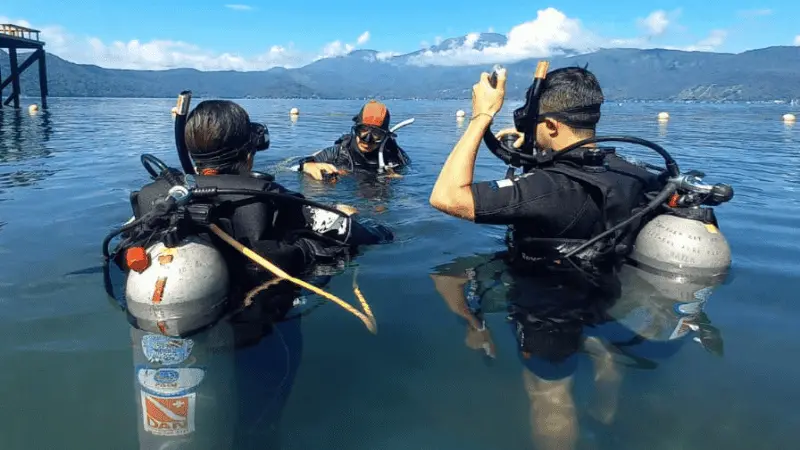
Several certified dive operators exist in El Salvador. To find registered PADI centers, check the PADI dive shop locator.
In San Salvador (organize trips to Los Cobanos and lakes)
El Salvador Divers
- Certification: PADI 5 Star Dive Center
- Location: San Salvador
- Services: Complete PADI courses (from Discover Scuba to Divemaster), guided dives, equipment rental
- Destinations: Los Cobanos (November to May), Lake Ilopango (year-round)
- Languages: Spanish, English
- Website: elsalvadordivers.com
La Libertad Diving
- Location: La Libertad
- Services: Trips to Los Cobanos, diving courses
- Destinations: Los Cobanos, nearby reefs
In Los Cobanos
Several local operators offer diving and snorkeling services directly on the beach. The Royal Decameron Salinitas resort also offers introductory diving for guests.
At Lake Coatepeque
Diving at Lake Coatepeque requires special planning due to altitude. Contact operators in San Salvador who organize trips to the lake, or check with local hotels like Hotel Torremolinos about available services.
Note: Contact operators directly to confirm availability and current prices.
Prices and Rates 2026
Dives
| Service | Price (USD) | Includes |
|---|---|---|
| Discover Scuba (intro dive) | $75-95 | Instruction, equipment, 1 supervised dive |
| Single dive (certified) | $50-65 | Guide, tank, weights |
| 2-tank package | $85-110 | Two dives, surface interval |
| Night dive | $70-85 | Equipment, guide, flashlight |
| Coatepeque dive | $60-80 | Transport from lake, guide |
Equipment Rental
| Equipment | Price per day (USD) |
|---|---|
| Full gear | $35-45 |
| Regulator only | $15-20 |
| BCD | $15-20 |
| 3mm wetsuit | $10-15 |
| Dive computer | $15-20 |
| GoPro underwater camera | $25-35 |
PADI Courses
| Course | Duration | Price (USD) |
|---|---|---|
| Open Water Diver | 3-4 days | $350-450 |
| Advanced Open Water | 2 days | $280-350 |
| Rescue Diver | 2-3 days | $320-400 |
| Divemaster | 4-8 weeks | $800-1,200 |
| Specialty (per course) | 1-2 days | $180-250 |
Snorkeling
| Tour | Price (USD) | Duration |
|---|---|---|
| Basic snorkel Los Cobanos | $25-35 | 2-3 hours |
| Full tour with lunch | $45-60 | Full day |
| Lake Coatepeque snorkel | $20-30 | 2 hours |
| Snorkel gear rental | $8-12 | Per day |
Approximate prices. May vary by season and operator.
Best Time to Dive
Dry Season (November - April)
Conditions:
- Visibility: 10-20 meters (33-66 feet) average, up to 25 on optimal days
- Water temperature: 26-29°C (79-84°F)
- Sea: Generally calm, minimal swell
- Rain: Unlikely
Advantages:
- Best overall conditions
- More diveable days
- Coincides with high tourist season (more active operators)
Considerations:
- Slightly higher prices
- Book in advance during Easter week
Rainy Season (May - October)
Conditions:
- Visibility: 5-12 meters (16-40 feet), highly variable
- Water temperature: 27-30°C (81-86°F)
- Sea: Rougher, especially in afternoons
- Rain: Frequent afternoon showers
Advantages:
- Lower prices
- Fewer tourists
- Increased activity of some species (turtles, rays)
- Plankton = more active marine life
Considerations:
- Some days may be canceled due to conditions
- Unpredictable visibility
- Dive preferably in the mornings
Optimal Months
- February and March: Best combination of visibility and weather
- October-November: Good for pelagic encounters, improving visibility
- December: Possibility of spotting humpback whales (from surface)
Requirements and Certifications
For Certified Diving
Required documentation:
- Valid diving certification (PADI, SSI, NAUI, CMAS, etc.)
- Logbook (recommended, not always required)
- Medical certificate (for those over 45 or with pre-existing conditions)
Minimum certifications by site:
| Site | Minimum Certification |
|---|---|
| La Puntilla | Open Water |
| El Faro | Open Water (with experience) |
| Los Arcos | Advanced Open Water |
| El Sunzal Marino | Deep Diver + verifiable experience |
| Lake Coatepeque | Open Water + altitude briefing |
For Snorkeling
No certification required. Operators provide:
- Basic instruction on equipment use
- Flotation vests available
- Guides accompanying the group
Basic requirements:
- Know how to swim
- Minors with parental authorization
- Follow guide instructions
For Courses
Open Water Diver:
- Minimum age: 10 years (Junior Open Water) or 15 years (full Open Water)
- Able to swim 200 meters and float for 10 minutes
- Good general health
- RSTC medical questionnaire (may require medical approval)
Common restrictions:
- Active asthma
- Heart problems
- Epilepsy
- Pregnancy
- Recent surgery
PADI Courses Available in El Salvador
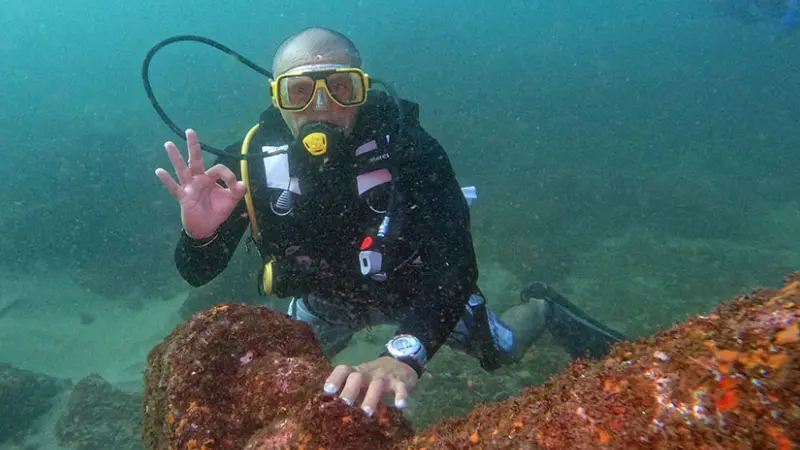
Recreational Courses
Beginner Level:
- Discover Scuba Diving (intro)
- Scuba Diver (partial certification)
- Open Water Diver
Intermediate Level:
- Advanced Open Water Diver
- Rescue Diver
- Individual specialties
Popular specialties in El Salvador:
- Deep Diver
- Underwater Photographer
- Fish Identification
- Night Diver
- Altitude Diver (for Coatepeque)
- Peak Performance Buoyancy
Professional Courses
Available locally:
- Divemaster
- Assistant Instructor
With visiting instructors (special scheduling):
- Open Water Scuba Instructor (OWSI)
- IDC (Instructor Development Course)
Where to Take Courses
PADI centers in El Salvador are registered in the official system. The Open Water course is typically structured as follows:
Day 1: Classroom theory or previously completed e-learning Day 2: Pool practice (confined water) Day 3: Open water dives 1 and 2 Day 4: Open water dives 3 and 4, certification
Some operators offer intensive 3-day courses or extended week-long courses for those who prefer a more relaxed pace.
Logistics: How to Get There from San Salvador
To Los Cobanos
By private vehicle:
- Route: San Salvador - Highway to Sonsonate (CA-8) - Turnoff to Acajutla - Los Cobanos
- Distance: 85 km (53 miles)
- Time: 1.5 - 2 hours
- Road in good condition until the turnoff; last kilometers may have potholes
By public transport:
- Terminal de Occidente - Bus 205 to Sonsonate ($1.00, 1.5 hours)
- Sonsonate - Bus 257 to Acajutla ($0.50, 30 min)
- Acajutla - Pick-up or mototaxi to Los Cobanos ($3-5, 20 min)
With organized tour: Most dive operators offer transport from San Salvador:
- Price: $15-25 per person (round trip)
- Typical departure: 6:00-7:00 AM from meeting point
- Return: 4:00-5:00 PM
To Lake Coatepeque
By private vehicle:
- Route: San Salvador - Highway to Santa Ana (CA-1) - El Congo turnoff - Lake Coatepeque
- Distance: 55 km (34 miles)
- Time: 1 - 1.5 hours
- Excellent road, spectacular scenery descending into the crater
By public transport:
- Terminal de Occidente - Bus 201 to Santa Ana ($1.00, 1 hour)
- Santa Ana - Bus 220 to the Lake ($0.50, 30 min)
- Walk or taxi to dive point
Day Trip vs. Staying Over
Day trip (recommended if):
- You only have one day available
- You want to do 1-2 dives
- You prefer sleeping in San Salvador
Staying one night (recommended if):
- You plan to take a diving course
- You want early morning and sunset/night dives
- You're looking to relax without rushing
Accommodation options at Los Cobanos:
- Royal Decameron Salinitas (all-inclusive resort): Check current prices
- Local hostels: Prices vary by season
- Airbnb/beach houses: Available in the area
Comparison with Other Central American Destinations
El Salvador vs. Belize
| Aspect | El Salvador | Belize |
|---|---|---|
| Reef type | Rocky/volcanic | Barrier coral |
| Typical visibility | 8-15m (26-50 ft) | 25-40m (82-130 ft) |
| Coral diversity | Moderate | Exceptional |
| Prices (per dive) | $50-65 | $80-120 |
| Crowds | Minimal | Moderate to high |
| Access from capital | 1.5 hours | 2+ hours + internal flight |
Verdict: Belize wins in biodiversity and visibility. El Salvador wins in price and intimate experience.
El Salvador vs. Honduras (Roatan)
| Aspect | El Salvador | Roatan |
|---|---|---|
| Diving infrastructure | Developing | Highly developed |
| Number of sites | ~10 main | 100+ |
| Available certifications | Up to Divemaster | Up to Course Director |
| Post-dive nightlife | Limited | Active |
| Direct international flights | To San Salvador | Direct to Roatan |
Verdict: Roatan is a world-class destination. El Salvador is for explorers seeking something different.
El Salvador vs. Costa Rica (Cocos Island)
| Aspect | El Salvador | Cocos Island |
|---|---|---|
| Accessibility | Easy (by road) | Difficult (36h by boat) |
| Total cost | $100-200/day | $5,000-8,000/week |
| Type of diving | Reef, lake | Pelagics, sharks |
| Level required | Beginner+ | Advanced |
Verdict: Unfair comparisons; these are completely different experiences.
Why Choose El Salvador?
El Salvador is ideal if:
- You're already visiting the country for other reasons (explore the best beaches in El Salvador)
- You have a limited budget
- You want to get certified without crowds
- You're seeking unusual experiences (volcanic lake diving)
- You prefer supporting small local operators
It's not ideal if:
- Diving is your only reason for traveling
- You need guaranteed 30+ meter visibility
- You're looking for regular encounters with large pelagics
Practical Tips
Before Traveling
- Verify your certification: Make sure your card isn't expired and is registered in your agency's system
- Check your insurance: Dive insurance (DAN, DiveAssure) is highly recommended
- Check conditions: Contact the operator a few days before to confirm visibility and sea state
- Book in advance: Especially during high season and weekends
What to Bring
Essential:
- Diving certification (physical or digital card)
- Reef-safe sunscreen (mandatory at Los Cobanos)
- Towel and change of clothes
- Cash (many operators don't accept cards)
- Motion sickness medication if you're susceptible
Optional but useful:
- Your own gear if you have it
- Underwater camera
- Dive logbook
- Extra snacks and water
During the Dive
- Follow your guide's instructions: They know local currents and points of interest
- Don't touch anything: Corals and marine life are fragile
- Control your buoyancy: Rocky formations can be easily damaged
- Respect schedules: Operators have tide-dependent schedules
Safety
- Nearest hyperbaric chamber: Hospital Bloom in San Salvador (1.5-2 hours away)
- Diving emergencies: DAN Emergency Hotline +1-919-684-9111
- Cell signal: Limited at Los Cobanos, good at Coatepeque
- Always dive with a certified operator: No lifeguards or emergency assistance on beaches
Conservation and Responsible Tourism
Los Cobanos Natural Protected Area
Since 2007, Los Cobanos has been legally protected. As a responsible diver:
- Don't extract shells, corals, or any material
- Don't feed the fish
- Use only biodegradable sunscreen
- Report any suspicious activity (dynamite fishing, illegal extraction)
- Take your trash back with you
Local Initiatives
Several operators participate in conservation programs:
- Reef cleanups: Some centers organize monthly cleanups
- Turtle monitoring: Collaboration with nesting projects
- Environmental education: Talks at local schools
Ask your operator how you can contribute during your visit.
Frequently Asked Questions
Can I dive if I'm not a strong swimmer? For snorkeling and Discover Scuba, you need basic water comfort. To get certified, you must swim 200 meters and float for 10 minutes.
Is the water very cold? No. Temperature ranges from 26-30°C (79-86°F). A 3mm wetsuit is sufficient, and many locals dive in just a lycra skin.
Are there dangerous sharks? No incidents have been reported. Sharks in the area are small species or passing pelagics that avoid divers.
Can I dive if I arrived by plane today? Yes, you can dive after flying. What you cannot do is fly within 18-24 hours after diving.
Do you accept certifications from other agencies? Yes. PADI, SSI, NAUI, CMAS, and other internationally recognized certifications are accepted.
Is diving available year-round? Yes, although conditions vary. Some days during the rainy season may be canceled due to visibility or rough seas.
Conclusion
Diving in El Salvador won't offer you the crystal-clear Caribbean waters or guaranteed hammerhead shark encounters. What you will find is an authentic, affordable destination with much to discover.
Los Cobanos represents a unique ecosystem that few know about. Lake Coatepeque offers a diving experience you won't find anywhere else in Central America. And local operators, while small, are genuinely committed to sharing their passion for the Salvadoran underwater world. For more information about safety on your trip, check out Is El Salvador Safe to Visit in 2026?
If you're looking to get off the traditional tourist circuit and explore waters where there are still surprises to discover, El Salvador awaits you beneath the surface.
Do you have questions about diving in El Salvador? Have you dived at Los Cobanos or Coatepeque? Share your experience with the VisitaSV community.
Last updated: February 2026
Ready to Plan Your Trip?
Continue exploring our guides
Written by

Reviewed by: VisitaSV EditorialLast verified: 2026-03-04Sources: PADI Dive Shop Locator, El Salvador Divers, Royal Decameron Salinitas
