 VisitaSV
Complete Guide to Traveling to El Salvador in 2026
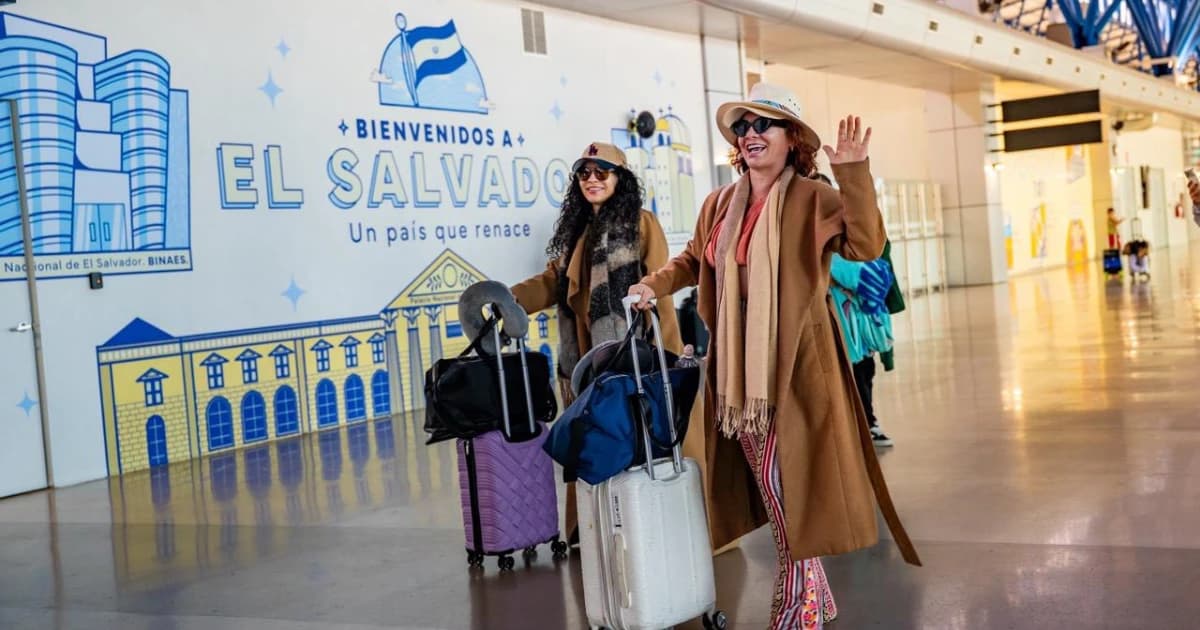
Fuente: CEPA
Complete Guide to Traveling to El Salvador in 2026
El Salvador is Central America's smallest country, yet it packs a surprising range of experiences: world-class surf beaches, active volcanoes, colonial hill towns nestled among coffee plantations, Mayan ruins, and a food culture built around the iconic pupusa. Over the past few years it has quietly become one of the region's most exciting emerging destinations. This guide brings together everything you need to plan your trip.
Entry Requirements and Documentation
Passport and Visa
Citizens of the United States, Canada, the European Union, the United Kingdom, Mexico, Colombia, Argentina, Chile, Brazil, and most Latin American and European countries can enter as tourists without a visa with a passport valid for at least six months. The permitted stay is 90 days under the CA-4 agreement (Guatemala, Honduras, El Salvador, and Nicaragua share this period).
If your country is not on the exemption list, you'll need to apply for a tourist visa at the nearest Salvadoran consulate. Check your specific case on the El Salvador Ministry of Foreign Affairs website.
At the Airport
No COVID test or mandatory vaccinations are required for entry in 2026. At immigration you'll need:
- Valid passport (minimum 6 months remaining)
- Return or onward ticket
- You may be asked about your accommodation
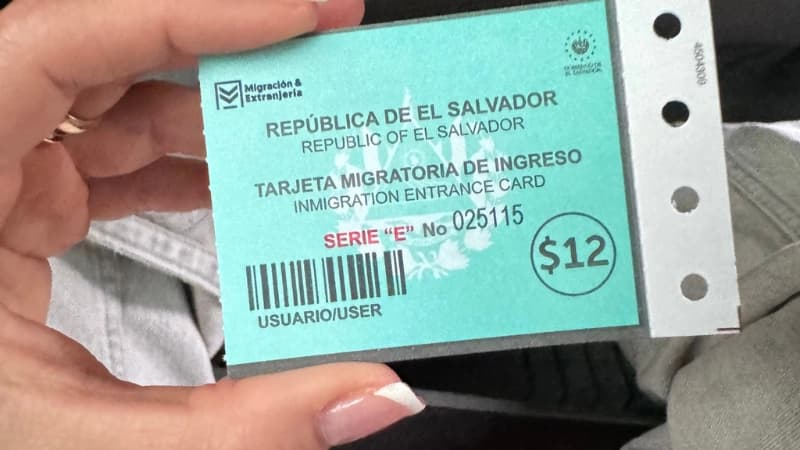
The process is quick. Note: As of May 2025, El Salvador eliminated the $12 USD tourist card fee - entry is now free for tourists. The departure tax is included in your airline ticket.
For UK Citizens
UK passport holders get 180 days visa-free (not 90), giving you more flexibility for extended trips.
For European Travelers
If flying via the United States (Miami, Houston, Atlanta), you'll need an ESTA authorization ($21 USD, apply online at least 72 hours before). To avoid this, consider routing through Panama City (PTY) or Mexico City (MEX) instead.
Driver's License
Your foreign driver's license is valid in El Salvador for the first 90 days. If you plan to stay longer, you'll need to get a local license. An international driving permit isn't required but can be a useful backup.
Best Time to Visit El Salvador
Climate Overview
El Salvador has two seasons: dry (November to April) and rainy (May to October). Average temperatures range from 25-32 °C (77-90 °F) on the coast to 18-25 °C (64-77 °F) in the highlands.
Month by Month
| Month | Weather | Best For |
|---|---|---|
| January–March | Dry, sunny, warm | Beaches, volcanoes, Ruta de las Flores |
| April | Dry, very warm | Easter week, beaches |
| May–June | Rains begin, cloudy afternoons | Surf season starts, green landscapes |
| July–August | Regular afternoon showers | Surfing, fewer tourists, lower prices |
| September–October | Heavy rains | Low season, best prices |
| November | Transition, rains tapering off | Good balance of price and weather |
| December | Dry, peak season | Holidays, beach, family tourism |
The best overall window is November to March: dry weather, pleasant temperatures, and everything open. For surfing, the strong season runs from March to October when Pacific swells are most consistent.
If you don't mind some afternoon rain (usually short bursts), May through July offers spectacular green scenery and far fewer tourists.
Currency and Payments
El Salvador has used the US Dollar (USD) as its official currency since 2001. If you're coming from the US, there's no need to exchange money. From elsewhere, you can exchange at the airport or at exchange offices in San Salvador.
Money Tips
- Cash: many small spots, pupuserías, and markets only take cash. Carry small bills (1, 5, 10, 20 USD); 50s and 100s can be hard to break at small businesses.
- Cards: Visa and Mastercard work at hotels, mid-to-upscale restaurants, and supermarkets. American Express is less widely accepted.
- ATMs: available in all major cities and malls. Common banks are Banco Agrícola, BAC Credomatic, and Davivienda. Most charge a 2-4 USD fee per international withdrawal.
- Bitcoin: El Salvador adopted Bitcoin as legal tender. The Chivo Wallet app works at some businesses, but in practice 95% of transactions happen in dollars. Don't rely on Bitcoin for your trip.
Getting to El Salvador
By Air
Monseñor Óscar Arnulfo Romero International Airport (SAL) is in Comalapa, about 45 km (28 miles) south of San Salvador. Direct flights arrive from:
- United States: 13 cities with direct flights — Miami, Houston (5 airlines!), Los Angeles, Washington D.C., New York (JFK), Dallas, San Francisco, Fort Lauderdale, Boston, and more. Budget carriers Spirit and Frontier often have deals under $200 RT from Florida/Texas.
- Mexico: Mexico City, Cancún
- Central America: Guatemala, Honduras, Costa Rica, Panama
- South America: Bogotá, Lima
- Europe: Madrid (usually connecting through Bogotá or Miami)
Major airlines include Avianca, Volaris, Spirit, United, American Airlines, and Copa Airlines.
Airport to Your Destination
| Option | Approx. Price | Time to San Salvador |
|---|---|---|
| Authorized taxi | 25-35 USD | 35-50 min |
| Shared shuttle | 10-15 USD | 45-60 min |
| Uber/InDriver | 15-25 USD | 35-50 min |
| Car rental | From 25 USD/day | At your pace |
Authorized taxis have a counter inside the airport. Uber and InDriver work well but may take a few minutes to reach the terminal. For complete details, read our El Salvador airport guide.
By Land
You can enter from Guatemala (La Hachadura, Las Chinamas, San Cristóbal) or Honduras (El Amatillo, El Poy). Border crossings are open during the day and the immigration process is usually quick. International bus companies like Pullmantur and Tica Bus connect with Guatemala, Honduras, and the rest of Central America.
Getting Around the Country
Car Rental
The most convenient option for exploring freely. You can rent from about 25-40 USD/day for a compact car. Main roads are in good shape. Companies like Alamo, Budget, and local agencies operate at the airport and in San Salvador.
Tip: distances are short. San Salvador to the beach is 45 minutes; to Suchitoto, one hour; to the Ruta de las Flores, 90 minutes. You can see a lot in just a few days.
Uber and InDriver
Both work in San Salvador and surrounding areas. They're safe, affordable, and the best way to get around the capital without worrying about traffic. A ride within the city rarely exceeds 5-8 USD.
Public Buses
Cheap (0.20-0.35 USD per ride) with routes across the country. An authentic experience, but not the most comfortable or fastest. For longer trips, "special" buses with air conditioning cost a bit more and are a better choice.
Tourist Shuttles
Several companies offer shuttles between tourist spots: airport ↔ beach, San Salvador ↔ Ruta de las Flores, etc. They run 10-25 USD per person and are comfortable. Your hotel can usually help with booking.
Daily Budget Estimate (2026)
| Style | Accommodation | Food | Transport | Approx. Total/Day |
|---|---|---|---|---|
| Backpacker | Shared hostel (8-15 USD) | Pupuserías & local eateries (8-12 USD) | Public bus (2-3 USD) | 25-40 USD |
| Mid-range | 2-3 star hotel (40-70 USD) | Mixed restaurants (15-25 USD) | Uber/shuttle (10-15 USD) | 70-120 USD |
| Comfortable | Boutique hotel/resort (100-200 USD) | Dining & experiences (30-50 USD) | Rental car (30-40 USD) | 160-290 USD |
These are per-person estimates. El Salvador is one of the most affordable destinations in Central America, especially compared to Costa Rica or Panama.
Reference Prices (2026)
- Pupusa: 0.35-0.75 USD
- Typical lunch (local eatery): 3-5 USD
- Local beer at a restaurant: 1.50-3 USD
- Coffee at a café: 1.50-3 USD
- National park entrance: 3-6 USD
- Surf lesson (2 hours): 25-40 USD
- Gasoline: ~4 USD/gallon
Where to Stay
San Salvador
The capital has options for every budget. The best areas for tourists are Colonia Escalón, Zona Rosa, and Santa Elena. You'll find international chains (Marriott, Hilton), boutique hotels, and hostels.
The Coast (El Tunco, El Zonte, Costa del Sol)
Surf and beach zone with backpacker hostels, eco-lodges, and oceanfront hotels. Read our El Tunco and La Libertad guide for details.
Ruta de las Flores (Juayúa, Ataco, Apaneca)
Charming boutique hotels, cabins, and hostels among coffee farms. Cool, peaceful atmosphere. More info in our Ruta de las Flores guide.
Suchitoto
Colonial hotels with views of Lake Suchitlán. Ideal for one or two nights. See our Suchitoto guide.
Booking Tips
In peak season (December to January, Easter) book ahead, especially at the beach. The rest of the year there's usually availability. Booking.com and Airbnb both work well in El Salvador.
Safety
The Current Situation
El Salvador has undergone a remarkable safety transformation in recent years. Crime rates have dropped dramatically, and the country is welcoming more international tourists each year. Tourist areas (beaches, Ruta de las Flores, Suchitoto, malls) are generally safe.
Important: State of Exception
El Salvador has been under a "State of Exception" since 2022, which has dramatically reduced crime but also expanded police powers. What this means for tourists:
- Always carry ID: Keep your passport (or a copy) with you at all times
- If stopped by police: Remain calm, be polite, show ID immediately
- Visible tattoos: Large or extensive tattoos may attract extra scrutiny (cover if possible)
- US Embassy contact: +503 2501-2999 (save this number)
The overwhelming majority of tourists have zero issues, but it's important to be aware of the legal context.
Zero Tolerance DUI
El Salvador has zero tolerance for alcohol while driving. Any amount = detention. This surprises many American visitors used to the 0.08% BAC limit. If you drink, use Uber.
Practical Tips
- Apply the common sense you'd use in any Latin American city
- Don't flash expensive jewelry or electronics
- At night, use Uber or a taxi and avoid dimly lit areas
- Leave valuables in your hotel safe
- Rural and tourist areas are very calm
- If driving, don't leave visible items in the car
For a deeper analysis, read Is El Salvador Safe to Visit in 2026?.
Health and Vaccinations
No mandatory vaccinations are required to enter El Salvador. It's recommended to be up to date on:
- Hepatitis A and B
- Tetanus and diphtheria
- Typhoid fever (if you plan to eat from many street stalls)
Read our complete vaccines and health guide for El Salvador for detailed information.
Other Health Tips
- Sunscreen: essential — the sun is strong
- Mosquito repellent: especially on the coast and in rural areas
- Bottled water: safest for drinking, though many hotels and restaurants use purified water
- Travel insurance: highly recommended. A basic policy starts from 5-10 USD/day and covers medical emergencies. Read our travel insurance guide for El Salvador
Private hospitals in San Salvador are of good quality. In rural areas, medical access may be limited.
Connectivity: Internet and Phone
WiFi is common at hotels, restaurants, and cafés in tourist areas. If you need mobile data:
- Buy a local SIM — it's easy and cheap. Tigo, Claro, and Movistar have prepaid SIMs from 5 USD with data included. Available at the airport, shops, and gas stations.
- A 5 GB plan costs around 10 USD and lasts one month.
- 4G coverage is good in cities and tourist zones; it can be patchy in remote rural areas.
For more details, read our WiFi, SIM and data guide for El Salvador. Working remotely? Check our digital nomad guide to El Salvador.
What to See and Do: The Essentials
Beaches and Surf
The Pacific coast is El Salvador's crown jewel. El Tunco for surf and nightlife, El Zonte for tranquility, Costa del Sol for families. Read the best beaches in El Salvador.
Towns and Culture
- Suchitoto: the prettiest colonial town, with a lake and waterfalls
- Ruta de las Flores: five villages among coffee farms, murals, and food
- La Palma: crafts and murals inspired by artist Fernando Llort
Volcanoes and Nature
El Salvador has over 20 volcanoes. The most visited are Santa Ana Volcano (Ilamatepec), with its turquoise crater lake, and Cerro Verde. Read our volcano guide.
Mayan Archaeology
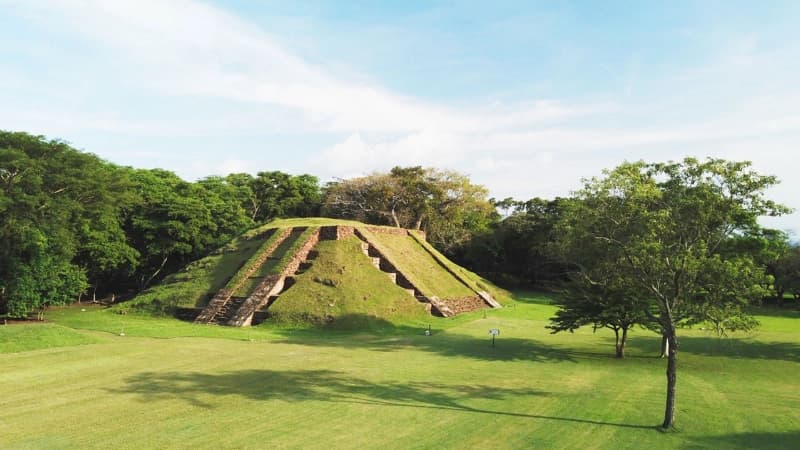
Joya de Cerén (UNESCO World Heritage Site) is a Mayan village buried by volcanic ash, often called the "Pompeii of the Americas." Also worth visiting is Tazumal, with its pyramids.
Food
Pupusas are the national dish: thick corn tortillas stuffed with cheese, beans, chicharrón, or loroco. But Salvadoran food goes much further: fried yuca, chicken tamales, sopa de pata, atol de elote. Discover the dishes in our traditional food guide.
Lake Coatepeque
One of Central America's most beautiful crater lakes. Turquoise waters surrounded by mountains — perfect for a day of relaxation, kayaking, or a meal with a view. Read the Lake Coatepeque guide.
Suggested Itineraries
3-5 Days: The Essentials
- Day 1: Arrive in San Salvador, settle in, eat pupusas
- Day 2: Beach day (El Tunco or El Zonte)
- Day 3: Surf or coast relaxation
- Day 4: Ruta de las Flores (Juayúa + Ataco)
- Day 5: Suchitoto + departure
7-10 Days: The Full Trip
Add Santa Ana Volcano, Lake Coatepeque, Joya de Cerén, and more beach days. Read our one-week El Salvador itinerary.
Cultural Tips
- Salvadorans are friendly and hospitable. A warm greeting goes a long way.
- Voseo is the norm: instead of "tú," people say "vos" (similar to Argentina).
- Tipping isn't mandatory but is appreciated: 10% at restaurants is standard.
- Bargaining isn't common in shops but is fine at markets and craft stalls.
- Punctuality is flexible; don't stress if things take a bit longer than expected.
What to Pack
- Lightweight, breathable clothes (cotton, linen)
- A pair of long pants for evenings or highland areas
- Light sweater or jacket for the Ruta de las Flores and mountain zones
- SPF 50+ sunscreen
- Mosquito repellent
- Comfortable walking shoes
- Sandals or flip-flops for the beach
- Rain jacket if traveling during the rainy season
- Reusable water bottle
- Power plug adapter type A/B (same as the US and Mexico)
More details in what to pack for El Salvador.
Frequently Asked Questions (FAQ)
Do I need a visa for El Salvador?
Most tourists from the Americas, Europe, and many other regions don't need a visa for stays up to 90 days. Check based on your nationality.
What currency is used?
The US Dollar (USD). No currency exchange needed if coming from the US.
Is El Salvador safe to visit?
Safety has improved dramatically. Tourist areas are safe. Apply common sense as in any destination.
How many days do I need?
At least 4-5 days for the essentials (beach + a town). With 7-10 days you can see the country comfortably.
Is English spoken?
In tourist areas and mid-to-upscale hotels, yes. In small towns and local eateries, some basic Spanish is helpful.
Can I use my phone?
Yes. Buying a local SIM is easy and cheap (from 5 USD). WiFi is available at most hotels and restaurants.
When is the best time to go?
November to March for dry weather. March to October for surfing. May to July for green landscapes and fewer tourists.
Final Summary
El Salvador is a compact, affordable, and surprising destination. In a country the size of New Jersey you'll find volcanoes, surf beaches, colonial towns, Mayan ruins, and one of the best food cultures in Central America. With this guide you have everything to plan your trip. Adjust the itinerary to your timeline and interests, and get ready to discover a country that exceeds expectations.
Ready to Plan Your Trip?
Continue exploring our guides
Written by

Reviewed by: VisitaSV EditorialLast verified: 2026-03-04Sources: Ministerio de Turismo de El Salvador, U.S. Department of State, Lonely Planet
Related articles
 Practical Guides
Can You Actually Pay With Bitcoin in El Salvador? A 2026 Reality Check
Which places accept it, which don't, and whether you need it at all as a tourist.
 Practical Guides
El Salvador Safety by Area: San Salvador, El Tunco, Suchitoto & Santa Ana
Where tourists actually go, what to watch for in each zone, and the areas worth skipping.
 Practical Guides
El Salvador 2026: The Transformation Attracting More Tourists
New stadium, cable car, renovated beaches and improved safety. Discover why El Salvador has become Central America's emerging destination and what to expect on your visit.