 VisitaSV
Traditional Salvadoran Food: What to Eat in El Salvador
Fuente: elsalvadorcom
Traditional Salvadoran Food: What to Eat in El Salvador
Salvadoran cuisine is one of Central America's best-kept secrets. While Mexican and Peruvian food get international recognition, El Salvador's culinary traditions fly under the radar—making every meal feel like a delicious discovery.
This guide covers everything you need to know about what to eat, where to find it, and how to order like a local.
The Essentials
Pupusas — The National Dish
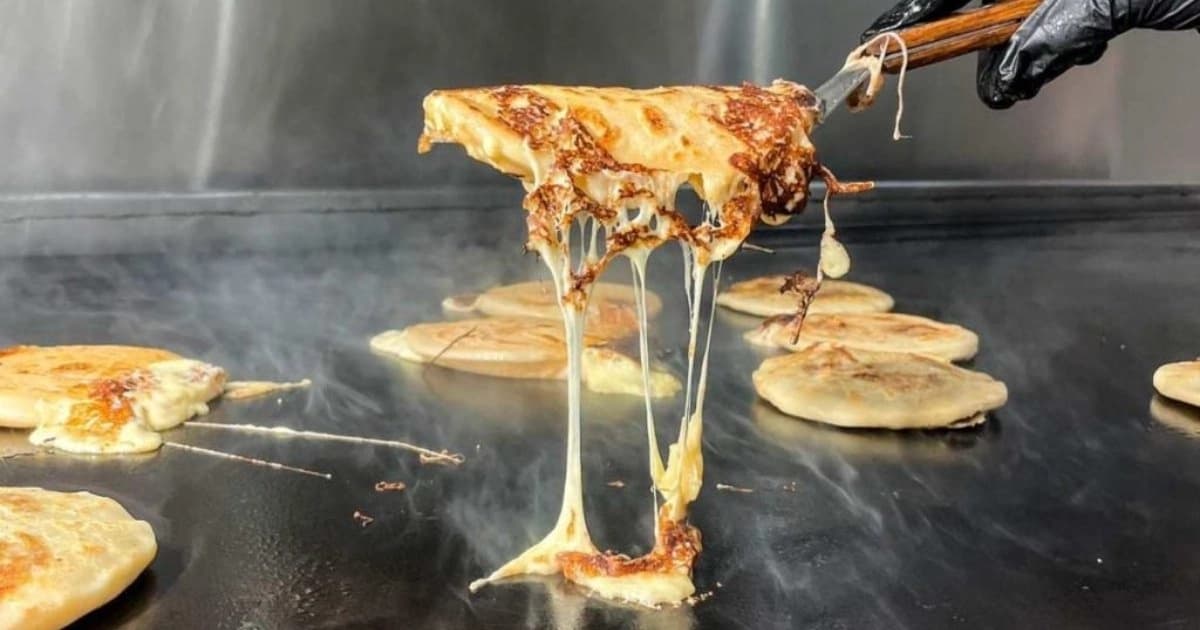
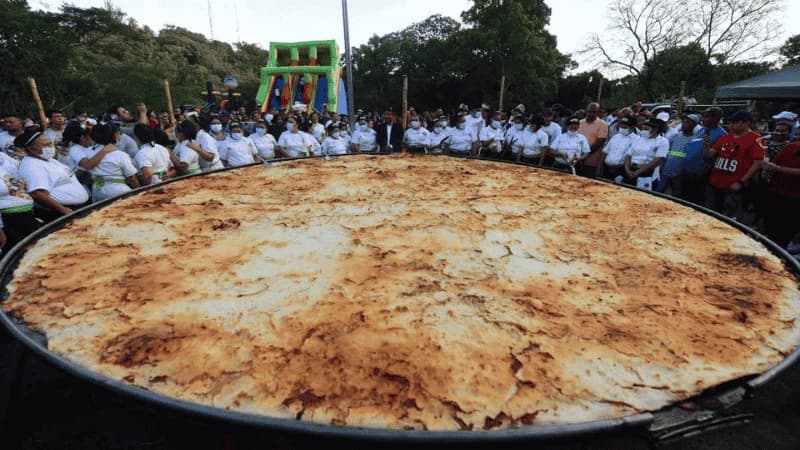
If you eat only one thing in El Salvador, make it a pupusa. These thick, hand-made corn tortillas stuffed with various fillings are the heart and soul of Salvadoran cuisine.
What's inside:
- Queso (cheese) — The classic. Melty, stringy, perfect.
- Frijoles (beans) — Refried beans, often mixed with cheese.
- Chicharrón — Pork cracklings ground into a paste (not what you'd expect, but delicious).
- Revueltas — The combo: cheese, beans, and chicharrón together.
- Loroco — A local flower bud with a unique, slightly tangy flavor. Try queso con loroco.
- Ayote (squash) — Sweet version, less common but worth trying.
How to eat them: Pupusas come with two essential accompaniments:
- Curtido — Fermented cabbage slaw with oregano and chile. Think Salvadoran sauerkraut.
- Salsa roja — A mild tomato-based sauce.
Put some curtido and salsa on top of each bite. The combination of hot, gooey pupusa with cold, tangy curtido is perfection.
Where to find them:
- Pupuserías: Dedicated pupusa shops, from street stands to sit-down restaurants
- Everywhere: Seriously, you can find pupusas on almost every block
- Price: $0.50-1.00 each (tourist areas may charge up to $1.50)
Pro tip: Order multiple types to compare. Three pupusas make a full meal for most people.
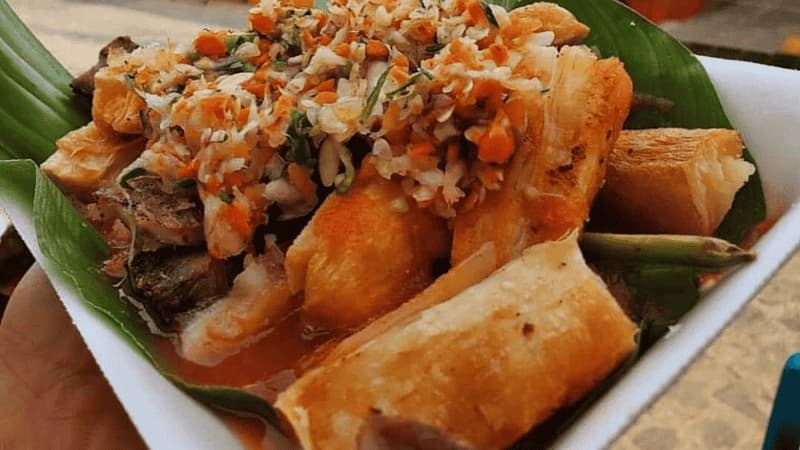
Yuca Frita — Fried Cassava
Thick-cut cassava (yuca) deep-fried until golden and crispy outside, soft inside. Served with:
- Chicharrón: Fried pork pieces
- Curtido: The same fermented cabbage from pupusas
- Salsa: Sometimes a spicier version
A plate of yuca con chicharrón is the perfect afternoon snack or late-night street food.
Price: $3-6 for a generous portion.
Panes con Pollo — Salvadoran Chicken Sandwiches
These aren't your average sandwiches. Panes con pollo are large, round bread rolls filled with:
- Slow-cooked shredded chicken
- Tomato, cucumber, and watercress
- A thin layer of mayonnaise
- Sometimes pickled vegetables
Traditionally eaten during holidays (especially Christmas and Easter), but available year-round at markets and bakeries.
Price: $2-4 each.
Breakfast Dishes
Desayuno Típico — The Traditional Breakfast
A full Salvadoran breakfast usually includes:
- Casamiento: Rice and beans cooked together (literally "marriage")
- Plátanos fritos: Fried sweet plantains
- Huevos: Eggs, usually scrambled or fried
- Crema: Salvadoran sour cream (thicker and tangier than Mexican)
- Queso fresco: Fresh white cheese
- Tortillas: Corn tortillas, handmade
- Coffee: Always
This spread will keep you full until dinner. Available at comedores (local eateries) and hotel restaurants alike.
Price: $4-8 depending on the place.
Plátanos con Crema
Simple but addictive: fried sweet plantains served with thick, tangy crema. The contrast of sweet and sour is breakfast perfection.
Soups and Stews
Salvadorans love their soups, especially on weekends. These hearty dishes are meant for sharing.
Sopa de Pata — Cow's Foot Soup
The most iconic (and controversial) Salvadoran soup. Made with:
- Cow's foot (yes, actual foot, including tendons and cartilage)
- Tripe
- Yuca, corn, and vegetables
- A rich, gelatinous broth
For adventurous eaters: This is a must-try for the authentic experience. The texture is unusual but the flavor is incredible.
Price: $6-10 per bowl.
Sopa de Res — Beef Soup
A more approachable option. Hearty beef soup with:
- Large chunks of beef on the bone
- Corn on the cob
- Yuca, carrots, cabbage
- Chayote (a local squash)
Served with rice and tortillas on the side. The ultimate comfort food.
Price: $5-8.
Sopa de Gallina India — Free-Range Hen Soup
Made with gallina india (a tougher, more flavorful local chicken), this soup is considered restorative and is often served to new mothers or the sick.
Seafood
The Pacific coast means fresh seafood is a staple, especially in beach towns like El Tunco, La Libertad, and Costa del Sol.
Ceviche
Fresh fish or shrimp "cooked" in lime juice with:
- Onions, cilantro, tomatoes
- Chile for heat
- Sometimes cucumber
Served with saltine crackers or tortilla chips. The perfect beach snack.
Price: $6-10.
Cóctel de Camarones — Shrimp Cocktail
A cold tomato-based sauce filled with shrimp, often with avocado, onions, and cilantro. Served in a glass or bowl, eaten with a spoon and crackers.
Price: $8-15 depending on size.
Pescado Frito — Fried Whole Fish
A whole fish (usually snapper or tilapia) deep-fried until crispy. Served with:
- Rice
- Fried plantains
- Salad
- Tortillas
Order this at any beachside restaurant (rancho) for the full coastal experience.
Price: $10-18.
Mariscada — Seafood Soup
A tomato-based soup loaded with:
- Shrimp
- Fish
- Clams or mussels
- Crab
- Squid
Rich, briny, and perfect with cold beer.
Price: $12-20.
Drinks
Horchata
Not the Mexican rice-based version—Salvadoran horchata is made from morro seeds (from the jícaro tree), ground with:
- Cocoa
- Cinnamon
- Sesame seeds
- Sometimes rice
The result is nuttier, more complex, and incredibly refreshing. A must-try.
Price: $1-2.
Atol
Warm, thick corn-based beverages. Variations include:
- Atol de elote: Sweet corn atol, like drinkable corn
- Atol shuco: The hangover cure—fermented corn atol served with beans, chile, and pepitas
Atol shuco is traditionally served in gourds (huacal) at late-night/early morning street stands.
Price: $0.50-2.
Kolashampan
El Salvador's signature soda: bright orange, sweet, and vaguely fruity. Not sophisticated, but nostalgic for Salvadorans and a fun novelty for visitors.
Price: $0.50-1.
Salvadoran Coffee
El Salvador produces some of the world's best coffee, though much of it gets exported. Look for:
- Pacamara and Bourbon varieties
- Coffee from Santa Ana, Apaneca, or Chalatenango regions
- Specialty cafés in San Salvador, Ataco, or Juayúa
Don't leave without visiting a coffee farm or at least trying a quality cup.
Price: $1.50-4 in cafés.
Desserts and Sweets
Semita
A dense, layered bread filled with pineapple jam (dulce de piña). Traditional in many regions, especially during holidays.
Marquesote
A light, airy sponge cake, often served with chocolate or coffee.
Quesadilla Salvadoreña
Not Mexican quesadillas—this is a sweet cheese pound cake, dense and slightly salty-sweet. Addictive with coffee.
Nuégados
Fried dough balls bathed in honey syrup. Simple, sweet, and perfect for dessert.
Riguas
Fresh corn cakes, slightly sweet, wrapped in corn husks. Seasonal, typically available during corn harvest.
Where to Eat
Comedores (Local Eateries)
The most authentic (and affordable) experience. Comedores are simple restaurants serving home-style food. Look for:
- Places full of locals at lunch
- Handwritten menus or daily specials on a board
- Covered outdoor seating
What to order: Combo plates (plato del día) with rice, beans, meat, salad, and tortillas for $3-5.
Pupuserías
Dedicated pupusa shops range from street stands to sit-down restaurants. The best ones have:
- A visible comal (griddle) where you can watch them cook
- A steady stream of local customers
- Fresh-made curtido
Mercados (Markets)
Local markets are food wonderlands. Try:
- Mercado Central in San Salvador (go with a guide)
- Mercado Municipal in Santa Ana or Suchitoto
- Food stalls in Juayúa's weekend festival
Beach Ranchos
Thatched-roof restaurants along the coast serving seafood. Usually casual, always with cold beer and ocean views.
Restaurants
For a more refined experience:
- San Salvador: El Sopón Típico, La Hola Beto's
- El Tunco: La Bocana, Restaurante Erika
- Suchitoto: Local restaurants around the central plaza
Ordering Tips
Basic Spanish for Food
| English | Spanish |
|---|---|
| Menu | Menú / Carta |
| Bill/check | La cuenta |
| Delicious | Delicioso / Rico |
| Spicy | Picante |
| Without... | Sin... |
| More... | Más... |
| Another one | Otra/Otro |
Dietary Considerations
- Vegetarian: Challenging but possible. Pupusas de queso, pupusas de ayote, fried plantains, beans, and rice. Ask "sin carne" (without meat) and specify no chicharrón.
- Vegan: More difficult. Some pupusas can be made without cheese. Bring flexibility.
- Gluten-free: Corn-based dishes (pupusas, tamales, tortillas) are naturally gluten-free. Be careful with sauces and breaded items.
Tipping
- Not mandatory at comedores or street food
- 10% is appreciated at restaurants
- Some tourist restaurants add service charge automatically
The Food Bucket List
Before you leave El Salvador, make sure you've tried:
- Pupusas revueltas (at a real pupusería)
- Yuca con chicharrón
- Fresh ceviche at the beach
- A plate of sopa de res
- Horchata salvadoreña
- Atol de elote (or atol shuco for the brave)
- Salvadoran coffee from a local finca
- Fried whole fish at a beach rancho
- Plátanos con crema for breakfast
- Kolashampan (just once)
More guides:
Ready to Plan Your Trip?
Continue exploring our guides
Written by

Reviewed by: VisitaSV EditorialLast verified: 2026-03-04Sources: Numbeo Cost of Living, TripAdvisor El Salvador, Ministerio de Cultura
Related articles
 Food
FoodWhere to Eat in San Salvador: Restaurants and Areas
Best areas to eat, types of restaurants and recommendations for breakfast, lunch and dinner.
 Food
FoodTypical Salvadoran Breakfast: What to Try
Breakfast dishes in El Salvador: typical breakfast, beans, eggs, plantain and coffee. Where and what to order.
 Food
FoodCoffee in El Salvador: Farm Visits and Tours for Coffee Lovers
El Salvador is coffee country. Where to do tours, visit farms and buy beans. Practical guide.