 VisitaSV
Shopping and Souvenirs in El Salvador: What to Bring Home

Fuente: el salvador travel
Shopping and Souvenirs in El Salvador: What to Bring Home
El Salvador has a rich artisan tradition reflected in its souvenirs. From the emblematic indigo (añil) to the colorful La Palma crafts, the renowned highland coffee and the famous San Sebastián hammocks, there are options for all tastes and budgets. This guide will help you find the best souvenirs and know where to buy them.
The Best Souvenirs from El Salvador
Indigo (Añil) Products
Indigo or añil is El Salvador's most emblematic natural dye. During colonial times, the country was one of the world's largest producers. Today, artisans have rescued this tradition and create unique products:
- Dyed textiles: scarves, bandanas, t-shirts, dresses and tablecloths with the characteristic intense blue of indigo.
- Decorative crafts: paintings, tapestries and dyed decorative objects.
- Natural cosmetics: soaps, creams and oils with indigo extract.
Where to buy: In Suchitoto there are several workshops specializing in indigo where you can see the dyeing process and buy directly. Also at the Artisan Market in San Salvador and in shops along the Ruta de las Flores.
Approximate prices: An indigo scarf costs between $15 and $40, depending on size and design complexity. A basic t-shirt, around $20-30.
Salvadoran Coffee
Salvadoran coffee is internationally recognized for its quality. The country produces mainly highland arabica varieties with fruity, balanced profiles. It's one of the most popular and practical souvenirs to take home.
Best brands and options:
- Café Pacas: native Salvadoran variety, highly prized.
- Farm coffee: buying directly from farms on the Ruta de las Flores (Apaneca, Juayúa, Ataco) guarantees freshness.
- Specialty coffee: brands like Viva Espresso, Ben's Coffee or Café Lúa offer single-origin coffees.
Where to buy:
- Coffee farms: on the Ruta de las Flores and Apaneca-Ilamatepec areas.
- Specialty cafés: in San Salvador (Colonia San Benito, Zona Rosa, Santa Elena).
- Supermarkets: for commercial brands at good prices.
- Airport: duty-free shops with a selection of premium coffees.
Approximate prices: A 340g (12 oz) bag of quality coffee costs between $8 and $20. Specialty coffees may cost more.
Tip: Buy whole beans if you can grind at home; it preserves the aroma better. Pack well to avoid the bag breaking in your luggage.
La Palma Crafts (Fernando Llort Style)
Arte palmeño is unique in the world. Created in the village of La Palma (Chalatenango), it's characterized by naif figures with bright colors representing everyday scenes, animals, landscapes and traditional motifs. Artist Fernando Llort popularized this style, which has become a national symbol.
What to buy:
- Painted wooden crosses: the most iconic souvenir.
- Paintings and murals: decorative pieces in various sizes.
- Boxes and chests: for jewelry or decoration.
- Christmas ornaments: very popular.
- Magnets, keychains and small objects: economical options.
Where to buy:
- La Palma, Chalatenango: the original village, with dozens of workshops and shops. You can watch artisans at work.
- Artisan Market in San Salvador.
- Souvenir shops in malls and the airport.
Approximate prices: A magnet or keychain, $3-5. A small cross, $10-20. Medium paintings, $30-80. Large pieces or murals, $100 or more.
Tip: In La Palma prices are better and you support artisans directly. If you don't have time to go, the San Salvador Artisan Market has good variety.
San Sebastián Hammocks
Salvadoran hammocks are famous for their quality and colorfulness. The town of San Sebastián (San Vicente) is the production center, where families make artisan hammocks on traditional looms.
Types of hammocks:
- String hammocks: more economical, ideal for warm climates.
- Fabric hammocks: more resistant and comfortable.
- Double hammocks: for two people.
Where to buy:
- San Sebastián: the best option for variety and prices.
- Ex-Cuartel Market in San Salvador.
- Artisan markets.
Approximate prices: A single string hammock costs $20-40. Fabric or double ones, $50-100 or more.
Tip: Hammocks take up little space when folded, but check the weight allowance in your luggage.
Balsam Products
Balsam of El Salvador (or Balsam of Peru) is an aromatic resin extracted from trees in the Balsam mountain range, near the coast. It's used in cosmetics, perfumery and natural medicine.
What to buy:
- Essential oils: for aromatherapy.
- Soaps and creams: with healing properties for the skin.
- Pure balsam: in small bottles.
Where to buy: Artisan markets, natural health stores and in the Balsam range area (La Libertad department).
Approximate prices: An artisan soap, $3-8. Essential oils, $10-25.
Pupusa-Themed Items
Pupusas are the national dish and there's a variety of fun souvenirs inspired by them:
- T-shirts with phrases: "I love pupusas", "Powered by pupusas", etc.
- Magnets and keychains: pupusa-shaped.
- Aprons and kitchen items.
- Stuffed toys and cushions in pupusa shape.
Where to buy: Souvenir shops, markets, and online stores like Amazon or Etsy for options before traveling.
Approximate prices: T-shirts, $15-25. Magnets and keychains, $3-8.
Other Popular Souvenirs
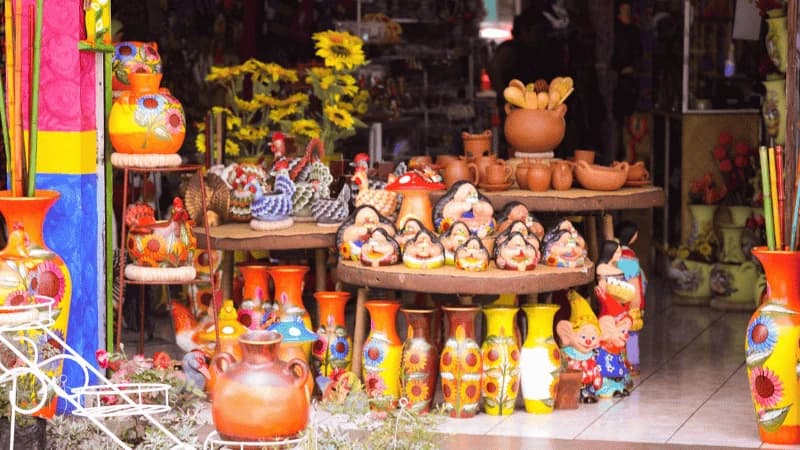
- Ilobasco ceramics: clay figures and the famous "sorpresas" (miniatures inside eggshells).
- Jícaras and guacales: traditional containers made from gourds.
- Embroidered clothing: blouses and dresses with traditional embroidery.
- Licor Torito: sugarcane liquor with milk, typical from Sonsonate.
- Traditional sweets: preserves, fruit jellies, and milk candies.
- Artisan chocolate: made from Salvadoran cacao.
Best Places to Shop
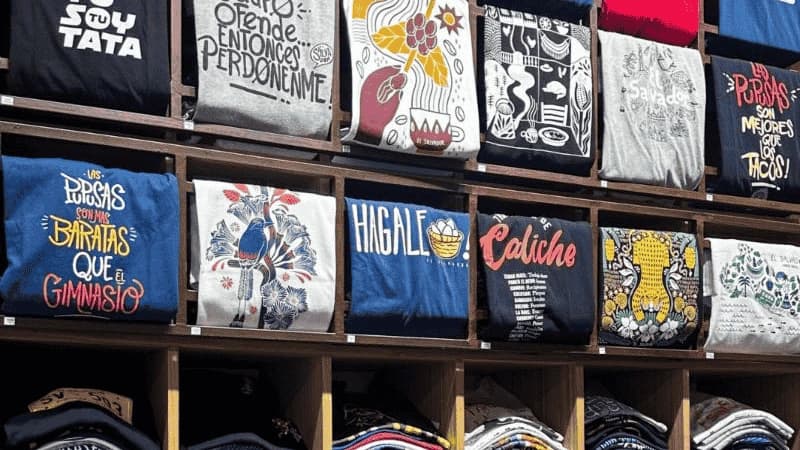
Ex-Cuartel Market (San Salvador)
The Ex-Cuartel Market is the main artisan market in the capital. It's located in the Historic Center, near Gerardo Barrios Plaza.
What to find:
- Hammocks
- La Palma crafts
- Ilobasco ceramics
- Textiles and traditional clothing
- Various souvenirs
Tips:
- Bargaining: it's expected, though in moderation.
- Hours: opens early (7-8 am) and closes at sunset.
- Safety: the Historic Center has improved, but keep your belongings secure.
Artisan Market (San Salvador)
Located near Ex-Cuartel, this market specializes in crafts from across the country. It's smaller but has good variety and quality.
La Palma, Chalatenango
The village of La Palma is a must-visit if you like crafts. About 2.5-3 hours from San Salvador, you'll find:
- Workshops where you can see the painting process.
- Shops with lower prices than in the capital.
- Authentic artisan village atmosphere.
Combine it with: A tour of the northern region, including Perquín and the Ruta de la Paz.
Ruta de las Flores Towns
The Ruta de las Flores towns have excellent shopping options:
- Ataco: craft shops, coffee and indigo. Colorful murals.
- Juayúa: food market on weekends, crafts.
- Apaneca: coffee from local farms.
- Concepción de Ataco: art galleries and boutique shops.
Suchitoto
Suchitoto is the best place to buy indigo products. There are several workshops and cooperatives where you can:
- Watch demonstrations of the dyeing process.
- Take workshops to dye your own piece.
- Buy high-quality indigo textiles and crafts.
Modern Shopping Malls
If you prefer modern shopping with air conditioning:
- Multiplaza: the largest mall. International brands, department stores and some souvenir shops.
- La Gran Vía: similar to Multiplaza, with fashion stores and restaurants.
- Galerías Escalón: central option with varied shops.
These malls have specialty coffee shops and some boutiques with local products.
Prices and Bargaining Tips
Price Guide
| Item | Price Range |
|---|---|
| Magnet or keychain | $3 - $8 |
| T-shirt with design | $15 - $30 |
| Indigo scarf | $15 - $40 |
| La Palma cross (small) | $10 - $25 |
| La Palma painting (medium) | $30 - $80 |
| Single hammock | $20 - $50 |
| Double hammock | $50 - $120 |
| Coffee (340g bag) | $8 - $20 |
| Balsam soap | $3 - $8 |
| Ilobasco ceramics | $5 - $50 |
Bargaining Tips
-
It's acceptable in markets: At Ex-Cuartel and artisan markets, bargaining is part of the culture. In formal shops and malls, prices are fixed.
-
Be respectful: Bargain with a smile. Don't be aggressive or offensive.
-
Start low, but reasonable: Offer 20-30% less than the initial price, not half.
-
Buy multiple items: If you buy several items from the same vendor, it's easier to get a discount.
-
Bring cash: Many artisans don't accept cards. Bring small bills.
-
Compare prices: Before buying, walk around and compare among several stalls.
-
Don't bargain in artist workshops: If you visit a workshop where the artisan is working, respect their price. It's their livelihood.
What NOT to Buy
Restricted or Illegal Items
-
Archaeological pieces: It's illegal to export antiques or pre-Hispanic pieces. Besides being a crime, it affects cultural heritage.
-
Protected species products: Don't buy items made with skins, feathers, turtle shells, coral or parts of protected animals. It's illegal and harmful.
-
Seeds and plants: Many countries restrict the import of seeds, plants and agricultural products. They could be confiscated at customs.
Questionable Quality Products
-
Counterfeits: Avoid counterfeit products (clothing, electronics, perfumes). Besides being illegal, the quality is poor.
-
Industrial "crafts": Some "crafts" are actually industrially produced in other countries. Buy from reliable places to ensure authenticity.
-
Old or poorly packaged coffee: Check the roasting date and that the bag is well sealed.
Customs Tips
- Declare your purchases: If the total value is high, declare it to avoid problems.
- Alcohol limits: Each country has limits on how much alcohol you can import.
- Receipts: Keep receipts for important purchases in case customs requests them.
Shopping at El Salvador International Airport
Monseñor Óscar Arnulfo Romero International Airport (SAL) has several shops for last-minute purchases:
Available Shops
- Souvenir shops: Crafts, t-shirts, magnets and typical souvenirs.
- Coffee shops: Specialty coffee packaged for travel.
- Duty Free: Liquors, chocolates, perfumes and tax-free items.
Advantages and Disadvantages
Advantages:
- Convenience: ideal if you ran out of time.
- Products packaged for travel.
- Duty free prices can be competitive for liquors.
Disadvantages:
- Craft prices higher than at markets.
- Less variety than in specialized shops.
- Some products aren't truly artisanal.
Tip: Buy most of your souvenirs during your trip and leave the airport for emergencies or specific items like coffee or liquor.
Final Shopping Tips
-
Plan according to luggage: Consider available weight and space. Some airlines charge for excess baggage.
-
Pack carefully: Wood and ceramic crafts are fragile. Use clothing to protect them.
-
Buy coffee at the end of your trip: Coffee is best fresh. Buy it in your last days.
-
Support local artisans: Whenever possible, buy directly from artisans. It's more authentic and the money goes to those who need it.
-
Save space for surprises: You'll always find something unexpected. Leave room in your suitcase.
-
Bring an extra bag: A foldable bag can save you if you buy more than planned.
Conclusion
El Salvador offers an incredible variety of souvenirs that reflect its culture, traditions and craftsmanship. From Suchitoto indigo to La Palma crafts, highland coffee and San Sebastián hammocks, there are options for everyone. What's most valuable is that behind each piece are Salvadoran hands keeping these traditions alive. Buying local crafts isn't just taking home a memory, it's supporting the culture and communities that preserve it.
Related Articles
Ready to Plan Your Trip?
Continue exploring our guides
Written by

Related articles
 Practical Guides
Can You Actually Pay With Bitcoin in El Salvador? A 2026 Reality Check
Which places accept it, which don't, and whether you need it at all as a tourist.
 Practical Guides
El Salvador Safety by Area: San Salvador, El Tunco, Suchitoto & Santa Ana
Where tourists actually go, what to watch for in each zone, and the areas worth skipping.
 Practical Guides
El Salvador 2026: The Transformation Attracting More Tourists
New stadium, cable car, renovated beaches and improved safety. Discover why El Salvador has become Central America's emerging destination and what to expect on your visit.