VisitaSV
Patron Saint Festivals in El Salvador: Calendar and Guide
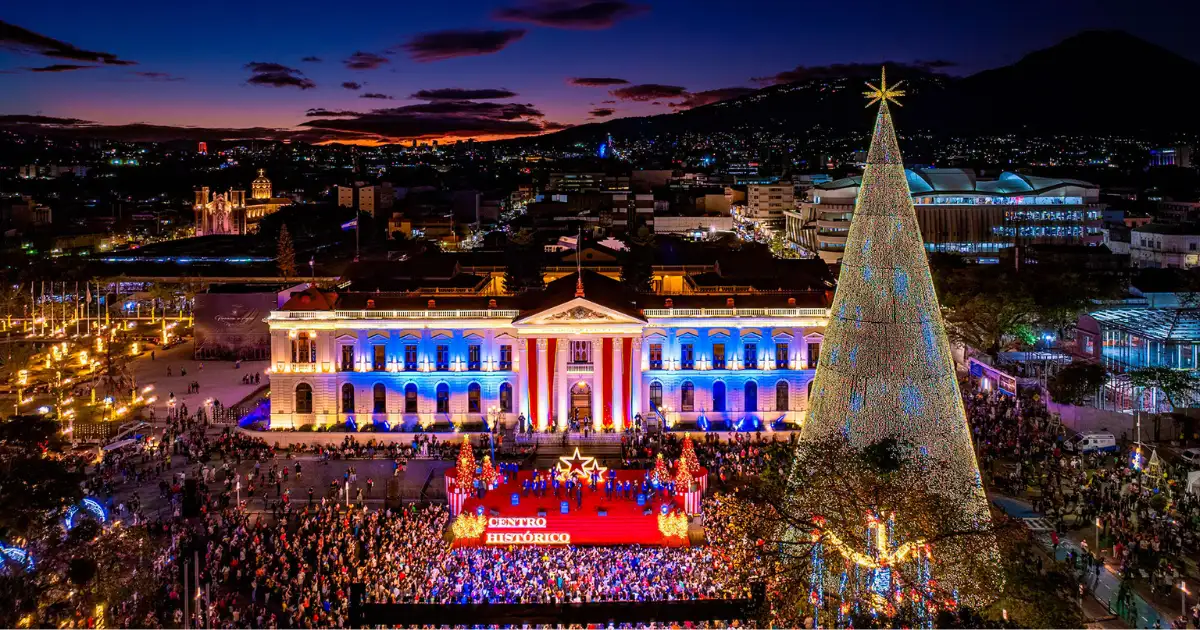
Fuente: el salvador travel
Patron Saint Festivals in El Salvador: Tradition, Faith, and Joy
Patron saint festivals, known locally as "fiestas patronales," are the cultural heart of El Salvador. Every city, town, and village celebrates its patron saint with days of music, religious processions, traditional food, and contagious joy that unites entire communities. These celebrations offer a perfect window into authentic Salvadoran culture. If you're planning your trip, check out our complete guide to traveling to El Salvador in 2026.
What Are Fiestas Patronales?
Fiestas patronales are annual celebrations dedicated to the patron saint of each locality. This tradition arrived with Spanish colonization and merged with indigenous elements, creating unique festivities that combine religious devotion with popular celebration.
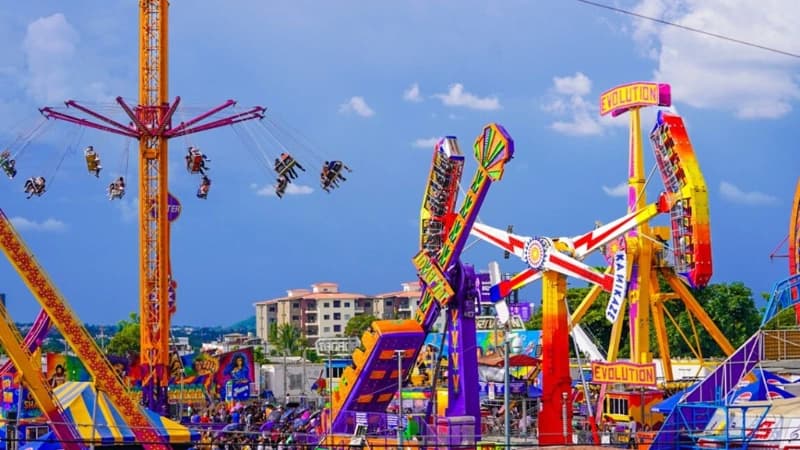
During these days, towns transform completely: streets fill with colorful decorations, carnival rides are installed, traditional food vendors occupy every corner, and live music resonates until the early morning hours.
Traditional Elements of the Festivals
- Religious processions: Solemn parades with images of saints
- Alboradas: Dawn celebrations with fireworks and music
- Parade floats: Decorated floats and dance troupes
- Carnival rides: The traditional Ferris wheel and other attractions
- Concerts and dances: Live music from marimba to cumbia
- Competitions: Ribbon races, greased pole climbing, popular games
- Fireworks: Pyrotechnic displays every night
- Traditional food: Pupusas, yuca, corn, churros, and more
Calendar of Major Patron Saint Festivals
| Month | City/Town | Festival | Dates | Patron Saint |
|---|---|---|---|---|
| January | Ahuachapan | Patron saint festival | Jan 12-20 | Holy Name of Jesus |
| January | Izalco | Patron saint festival | Jan 15-25 | Virgin of the Assumption |
| February | Sonsonate | Patron saint festival | Feb 1-5 | Virgin of Candelaria |
| March | San Salvador | Holy Week | March-April | - |
| April | Metapan | Patron saint festival | Apr 25 - May 3 | Saint Peter the Apostle |
| May | Usulutan | Patron saint festival | May 20-25 | Saint Catherine |
| June | Soyapango | Patron saint festival | June 24 | Saint John the Baptist |
| July | Santa Ana | Fiestas Julias | July 17-26 | Our Lady Saint Anne |
| August | San Salvador | Fiestas Agostinas | August 1-6 | Divine Savior of the World |
| September | San Miguel | Patron saint festival | Sep 21-29 | Saint Michael the Archangel |
| October | Chalatenango | Patron saint festival | Oct 1-4 | Saint Francis of Assisi |
| November | San Miguel | Fiestas Novembrinas | Nov 21-30 | Our Lady of Peace |
| December | La Union | Patron saint festival | Dec 8-12 | Virgin of the Conception |
| December | San Vicente | Patron saint festival | Dec 21-31 | Saint Vincent Abbot |
The Three Great Festivals of El Salvador
1. Fiestas Agostinas - San Salvador (August 1-6)
The Fiestas Agostinas are the largest and most important celebration in El Salvador. For six days, the capital transforms into a national party that attracts hundreds of thousands of people from across the country and abroad.
The Descent of the Divine Savior of the World
The culminating moment of the festivities is the Transfiguration of the Divine Savior of the World, celebrated between August 5 and 6. This religious procession is the most significant event in the Salvadoran Catholic calendar.
August 5 - The Descent (La Bajada):
- At 4:00 PM, the image of the Divine Savior descends from the Basilica of the Sacred Heart
- It travels through the main streets of the historic center
- Thousands of faithful accompany the procession with candles and prayers
- The "carriers" take turns shouldering the heavy image
August 6 - Day of the Savior of the World:
- National holiday
- Solemn mass at the Metropolitan Cathedral
- The image symbolically "transfigures" at dawn
- Celebrations continue throughout the day
What to Do During Fiestas Agostinas
- Campo Marte: Main fairground with carnival rides and concerts
- Correo Parade: Allegorical floats on August 3
- International Fair: Commercial and gastronomic exhibitions
- Free concerts: National and international artists
- Historic Center: Cultural and religious activities
2. Fiestas Julias - Santa Ana (July 17-26)
Santa Ana, the country's second-largest city, celebrates the Fiestas Julias in honor of its patron, Our Lady Saint Anne. These festivals are recognized for their family-friendly atmosphere and well-preserved traditions.
Characteristics of Fiestas Julias
- Duration: 10 days of continuous celebration
- Correo Parade: One of the most colorful in the country
- Santa Ana Theater: Special cultural events
- Gastronomy: Famous "shucos" sandwiches and sweet bread
- Atmosphere: Calmer than San Salvador, ideal for families
Featured Events
- Coronation of the Festival Queen
- Procession of Our Lady Saint Anne (July 26)
- Concerts at Oscar Quiteno Stadium
- Livestock and artisan fair
- Marathon and sporting events
3. Fiestas Novembrinas - San Miguel (November 21-30)
The Fiestas Novembrinas or San Miguel Carnival are famous for their festive atmosphere, the best concerts, and a unique energy that characterizes eastern El Salvador.
What Makes the Novembrinas Special
- Carnival: The largest in Central America
- Parades: Spectacular troupes and floats
- Music: The best national and international artists
- Nightlife: Parties until dawn
- "Torogoz": Emblematic bird of the celebrations
Main Events
- Grand Carnival Parade (last Saturday)
- Coronation of the Carnival Queen
- Massive concerts at various venues
- Dance troupe competition
- Gastronomic and commercial fair
Other Notable Patron Saint Festivals
January Festivals
Ahuachapan (January 12-20)
- In honor of the Holy Name of Jesus
- Pleasant climate in the western region
- Famous for local gastronomy
Izalco (January 15-25)
- Fusion of indigenous and Catholic traditions
- Traditional "Historiantes" dances
- Close to volcanoes and the Flower Route
February Festivals
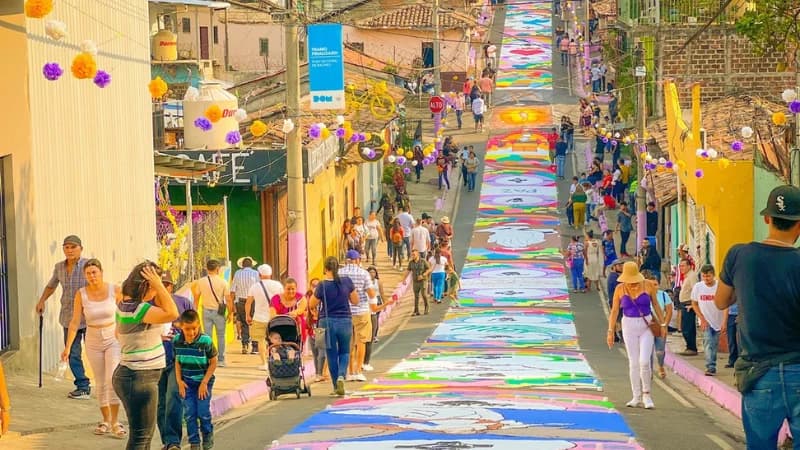
Sonsonate - Candelaria (February 1-5)
- Nighttime processions with candles
- Colored sawdust carpets
- Local artisan crafts
June Festivals
Soyapango - Saint John the Baptist (June 24)
- One of the largest festivals in the metropolitan area
- Getting splashed with water is tradition
- Very lively celebrations
September Festivals
San Miguel - Saint Michael the Archangel (September 21-29)
- Second major celebration of the city
- Traditional religious processions
- Preparation for the Novembrinas
December Festivals
San Vicente (December 21-31)
- Year-end celebrations
- "Moors and Christians" dances
- Unique Christmas atmosphere
Traditional Food at the Festivals
Patron saint festivals are a perfect opportunity to taste Salvadoran gastronomy at its finest.
Typical Foods You'll Find
| Dish | Description | Approximate Price |
|---|---|---|
| Pupusas | Thick tortillas stuffed with cheese, beans, or pork | $0.50-1.00 |
| Fried yuca | With pork cracklings and pickled cabbage | $3.00-5.00 |
| Elotes locos | Corn with mayonnaise, cheese, and hot sauce | $1.00-2.00 |
| Nuegados | Fried dough with raw sugar syrup | $1.00-2.00 |
| Atol shuco | Hot fermented corn beverage | $1.00 |
| Minutas | Shaved ice with flavored syrup | $0.50-1.00 |
| Churros | Fried dough with sugar and cinnamon | $1.00-2.00 |
| Cotton candy | Classic fair treat | $1.00 |
Traditional Beverages
- Horchata: Morro seed and spice drink
- Cebada: Roasted barley refreshment
- Ensalada: Chopped fruit drink
- Agua de coco: Fresh coconut water
- Chicha: Fermented beverage (with or without alcohol)
Tips for Enjoying Patron Saint Festivals
Before You Go
- Plan ahead: Hotels fill up quickly during major festivals
- Check the program: Each festival has specific daily events
- Bring cash: Many vendors don't accept cards
- Wear comfortable clothing: You'll walk a lot and it can be hot
- Bring sun protection: Most activities are outdoors
During the Festivals
- Watch your belongings: Crowds attract pickpockets
- Stay hydrated: Drink water frequently
- Wear closed shoes: Streets can be dirty or wet
- Arrive early to popular events: Best spots fill up fast
- Respect religious traditions: Processions are sacred
Safety
For detailed safety information, check out Is El Salvador Safe to Visit in 2026?
- Avoid displaying valuable items
- Travel in groups, especially at night
- Use official transportation or ride-sharing apps
- Save the emergency number (911)
- Know the location of Red Cross stations
What to Bring
- Cash in small bills
- Portable phone charger
- Small crossbody bag
- Sunscreen and hat
- Reusable water bottle
- Camera or phone with good battery
Best Festivals for Tourists
For First-Time Visitors: Fiestas Agostinas
Why: It's the largest and most representative celebration. It allows you to experience Salvadoran culture at its best, with easy access from the airport and good hotel infrastructure.
Don't miss: The Descent of the Divine Savior of the World on August 5.
For Party Atmosphere: Fiestas Novembrinas
Why: If you're looking for parties, music, and fun, San Miguel is the destination. The carnival is vibrant and the eastern Salvadoran energy is contagious.
Don't miss: The Grand Carnival Parade.
For Authentic Experience: Fiestas Julias
Why: Santa Ana offers a more traditional and family-friendly atmosphere. The colonial city is beautiful and celebrations maintain more deeply rooted customs.
Don't miss: Visit the Santa Ana Theater and try the famous shucos.
For Adventurers: Small Town Festivals
Why: Places like Izalco, Panchimalco, or Nahuizalco offer intimate festivals where you'll be welcomed as a special guest. The authenticity is unmatched.
Don't miss: Traditional dances and community interaction.
Cultural Significance of Patron Saint Festivals
Patron saint festivals are much more than religious celebrations; they are the fabric that binds Salvadoran communities together.
Community Identity
Each town identifies with its patron saint and unique traditions. Festivals are an opportunity for emigrants to return to their roots and for new generations to learn their ancestors' customs.
Living Traditions
The festivals preserve dances, music, and rituals with centuries of history. The "Historiantes," the "Chapetones," and the "Tiger and Deer Dance" are cultural expressions that survive only thanks to these celebrations.
Local Economy
Patron saint festivals generate significant economic activity for communities. Vendors, artisans, musicians, and merchants depend on these celebrations for their annual income.
Faith and Devotion
For millions of Salvadorans, patron saint festivals are profound expressions of faith. Promises, offerings, and pilgrimages demonstrate the devotion that characterizes the Salvadoran people.
Complete Monthly Calendar 2026
January
- 6: Santo Tomas (Saint Thomas)
- 12-20: Ahuachapan
- 15: Black Christ of Esquipulas (various towns)
- 15-25: Izalco
February
- 1-5: Sonsonate (Candelaria)
- 14: San Valentin (Anamoros)
March-April
- Holy Week throughout the country
- Processions in Sonsonate, Izalco, San Vicente
May
- 1-3: Day of the Cross (national tradition)
- 15: Saint Isidore the Farmer (agricultural towns)
- 20-25: Usulutan
June
- 13: Saint Anthony (various towns)
- 24: Saint John the Baptist (Soyapango, Nahuizalco)
- 29: Saints Peter and Paul (San Pedro Nonualco)
July
- 17-26: Fiestas Julias - Santa Ana
- 25: Saint James the Apostle (Santiago de Maria)
August
- 1-6: Fiestas Agostinas - San Salvador
- 15: Assumption of Mary (various towns)
September
- 15: Independence Day
- 21-29: Saint Michael the Archangel (San Miguel)
- 29: Saint Michael the Archangel (various towns)
October
- 1-4: Saint Francis (Chalatenango)
- 12: Virgin of the Pillar
November
- 1-2: Day of the Dead
- 21-30: Fiestas Novembrinas - San Miguel
December
- 8-12: Virgin of the Conception (La Union, various)
- 12: Virgin of Guadalupe
- 21-31: San Vicente
Frequently Asked Questions
Are the festivals safe for tourists?
Yes, patron saint festivals are generally safe. Authorities increase security during these events. Basic precautions like watching your belongings and avoiding dark areas are recommended.
Do I need to book hotels in advance?
For major festivals (Agostinas, Julias, Novembrinas), booking at least a month in advance is recommended. For small town festivals, availability is usually good.
What's the best time of year for festivals?
August is the month with the most celebrations, culminating with the Fiestas Agostinas. July and November are also excellent options with the Julias and Novembrinas.
Are the festivals suitable for children?
Absolutely. Patron saint festivals are family events par excellence. Carnival rides, cotton candy, and parades are perfect for the little ones.
What should I wear?
Casual, comfortable clothing. Avoid high heels or open sandals. Bring something to cover yourself from the sun during the day and a light jacket for the evening.
Conclusion
El Salvador's patron saint festivals are a unique cultural experience that every traveler should live. Whether you choose the massive Fiestas Agostinas, the carnival of the Novembrinas, the traditional Fiestas Julias, or the intimacy of a small town festival, you'll find the warmth, joy, and tradition that characterize the Salvadoran people.
Plan your visit, respect the traditions, and prepare to create unforgettable memories at one of the most authentic celebrations in Central America. If you have a week available, check out our one-week itinerary for El Salvador to combine festivals with other must-see destinations.
Have questions about patron saint festivals? Looking for specific recommendations? Contact us and we'll help you plan your perfect experience in El Salvador.
Ready to Plan Your Trip?
Continue exploring our guides